Gay Men and Appearance Privilege: What It Is, What To Do About It
This article comes from my work with gay men around confidence, relationships, and sexual self-understanding.
If you want to see what working with me looks like:
Individual Therapy (CA) | Coaching (Worldwide)
Imitation and Flattery?
Recently, I noticed that a gay men’s specialist therapist in Chicago had posted a series of Facebook updates that closely mirrored topics I had already covered in my blog and podcast back in Fall 2018. People like to say imitation is the sincerest form of flattery, but this crossed a line.
I object to competitors using my material and unique discussion topics as “inspiration” without giving credit. Only I would likely notice the more-than-coincidental similarities. This has happened before—once with a gay male therapist in San Francisco and again with staff writers at sites like Queerty.com and Pride.com.
It’s irritating, even if I take some smug satisfaction in being first to market with original ideas. Titles and concepts cannot be copyrighted. Only the expression of ideas qualifies, and in each case they changed just enough to avoid legal plagiarism. Still, it’s a poor ethical choice.
You have to question the integrity—and frankly the intellectual honesty—of any so-called therapist who mines competitors’ sites and lifts their ideas wholesale.
So, with that said, I’m going to borrow heavily from an existing article here—and I’m going to acknowledge it openly.
The original piece is by Oliver G. Alvar, published January 25, 2019, titled “Being Pretty Really Makes Life Easier, and That’s a Bad Thing,” on Culturacolectiva.com (link here). His article does not focus on gay men specifically. My goal is to take his framework and apply it directly to gay male culture.
What Is Appearance (Pretty) Privilege?
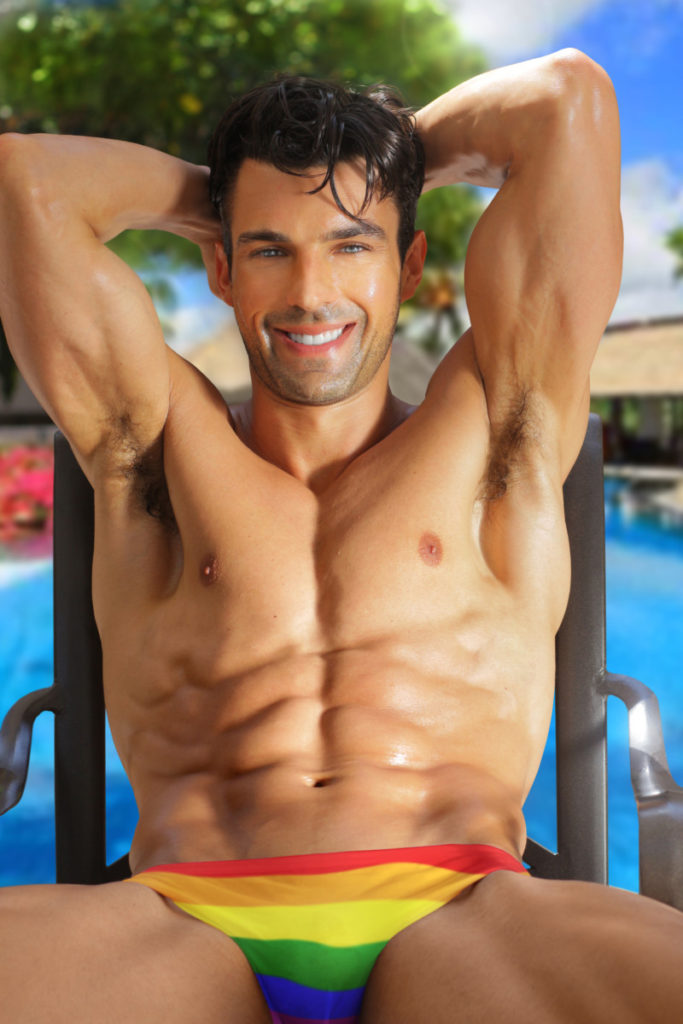
Traditionally attractive gay men are in gay media everywhere.
I first revisited this topic after a conversation with a client. He is perfectly attractive in his own right, yet he constantly feels frustrated watching his “traditionally attractive” best friend receive unearned advantages.
These advantages do not come from skill, intelligence, or character. They come from appearance alone.
I have since had this same conversation with many clients. When I researched the topic further, I found the term “pretty privilege” used more often than “appearance privilege,” which led me to Alvar’s article.
Alvar points out that society pushes us to work relentlessly on our looks. Makeup tutorials, workout routines, diets, cosmetic procedures, and anti-aging products flood YouTube, Instagram, and advertising spaces. All of this sells one promise: improved appearance equals a better life.
As Alvar asks, “Why do we work so hard to be pretty? To feel better… but what about being privileged?”
Appearance Privilege Is Big Business
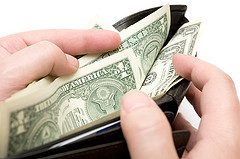
Appearance privilege operates in real economic terms. Alvar references pulchronomics, the study of the economics of physical attractiveness.
For gay men, this shows up clearly in advertising. Bars and clubs promote images of traditionally attractive men—often White, lean, muscular, symmetrical, youthful, and hair-full—to attract customers who will spend money. Plastic surgeons and personal trainers showcase dramatic “before and after” images that promise transformation for a price.
Pretty privilege also affects employment, social status, and money. It can make finding a job easier. It can increase social popularity. It can generate likes, follows, and sponsorships on social media. It can influence promotions, salary negotiations, performance reviews, and how people respond when you ask for exceptions or favors.
This dynamic does not apply only to women. It affects straight men and gay men alike. In gay male culture, where visibility, competition, and desirability collide, the stakes often feel even higher.
I see this play out clearly in online media. Many YouTube comments on therapists’ videos focus more on how the therapist looks than on what they actually say. There’s a reason I prioritize writing and podcasting over video.
As Effie says in Dreamgirls: “You’re gonna let Dina sing lead because of how she looks? No one can see you on the radio.”
Research also shows that adults unconsciously favor attractive children, that juries judge attractive defendants more leniently, and that attractive people are routinely perceived as smarter, healthier, kinder, and more capable.
When we apply this to gay men, another layer emerges. For some, the pursuit of attractiveness becomes a defense against growing up gay in a society that labeled us as sick, bad, or wrong. If we couldn’t be accepted, at least we could be beautiful.
Gay Men and Appearance Privilege
Alvar addresses skeptics who deny that appearance privilege exists. He also notes that race and class privilege often overshadow it. All of this operates within intersectionality.
Race, gender, class, disability status, education, sexual orientation, and appearance interact in complex ways. It’s difficult to isolate which factor carries the most weight in any given situation.
At its core, appearance privilege relies on objectification. People respond to what they see rather than who someone is. When we extend courtesy based on appearance, we do it because we like how someone looks—not because of their humanity or merit.
In gay culture, this affects sex, dating, money, work, tipping, hiring, and access to resources. It shapes who gets attention, opportunity, and forgiveness.
Alvar acknowledges a gray area. Personal grooming and hygiene can signal self-care and organization. Still, someone who is naturally good-looking holds an advantage over someone who works hard to look good. That imbalance is inherently unfair.
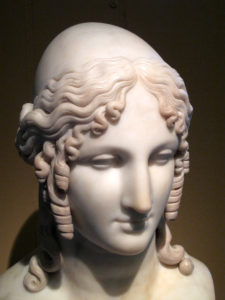
Helen of Troy sculpture
This is not about blaming attractive people. It’s a social phenomenon that spans cultures and history. Helen of Troy launched a thousand ships. Elvis inspired mass hysteria. The pattern repeats.
Within gay culture, this contradiction stings more. We often pride ourselves on social justice values, yet we still reward unearned privileges tied to appearance.
Coping Strategies
So what do you do if you are not “traditionally attractive”?
One starting point involves changing the yardstick. Relationships based solely on looks do not age well. As a long-time provider of couples therapy for gay men, I can say with confidence that initial appearance rarely sustains a relationship.
Enduring partnerships depend on emotional attunement, reliability, kindness, shared values, and repair. Sexuality matters, and effort matters. But appearance alone does not carry a relationship for decades.
We also need to remain aware of body image pressures and toxic masculinity. Fitness, for example, can support health and longevity. It can also become compulsive or self-punishing. Mindfulness matters here.
If this topic is stirring something personal for you, you don’t need to resolve it alone. You’re welcome to email me at Ken@GayTherapyLA.com, and we can explore together whether working together makes sense.
Other coping strategies involve shifting focus toward values that go beyond appearance. Commitment, integrity, enthusiasm, kindness, generosity, curiosity, and emotional availability are deeply attractive. Intelligence and education matter too, even when self-taught.
Ultimately, having a partner who meets your emotional needs over a lifetime is far more compelling than surface-level desirability.
Dealing With It
Bitterness about appearance privilege is understandable. It is also self-sabotaging.
Acceptance does not mean approval. It means acknowledging reality so it has less unconscious power. Appearance privilege exists, just like class privilege and other forms of advantage.
Look at people you admire most. Their appearance is rarely the reason they matter to you.
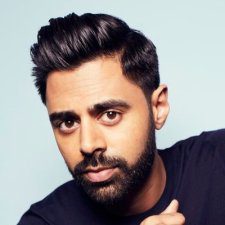
Hasan Minhaj
Appearance privilege works best when it goes unexamined. Critical thinking weakens its grip.
As Alvar writes: “We, as a society, need to talk about appearance privilege more often, as it goes hand in hand with discriminatory bias against the least physically fortunate.”
Now I’m wondering what Alvar looks like. I bet he’s hot.

Ken Howard, LCSW, CST
GayTherapyLA©
Therapy for gay men who want more than symptom relief — they want understanding, integration, and direction.
If this topic resonates, you’re not alone — and this is exactly the kind of work I do with men who want real, practical change, not just insight. I help clients turn understanding into action — improving confidence, relationships, and quality of life in a thoughtful, sex-positive, and affirming therapy space.
About the author
Ken Howard, LCSW, CST is a psychotherapist and AASECT-Certified Sex Therapist with over 30 years of experience working almost exclusively with gay men. A former USC faculty member, he is also the host of The Gay Therapy LA Podcast, where he explores the psychology, relationships, and inner lives of gay men — and he brings that same depth and practicality into his work with clients through therapy (CA) and coaching (worldwide) via telehealth.